Work as Ministry: Why Faith in Christ Is the Architecture of Wolfatek
October 4, 2026
Electronic Voting at a Body Corporate or HOA AGM: How It Works
October 8, 2026
A Student Representative Council election is the most scrutinised event on a university’s calendar. Thousands of students, organised student formations, an electoral commission, the Dean of Students and, often, an independent auditor are all watching the same few days. When it goes well, nobody remembers it. When it goes wrong, it can take a term to recover.
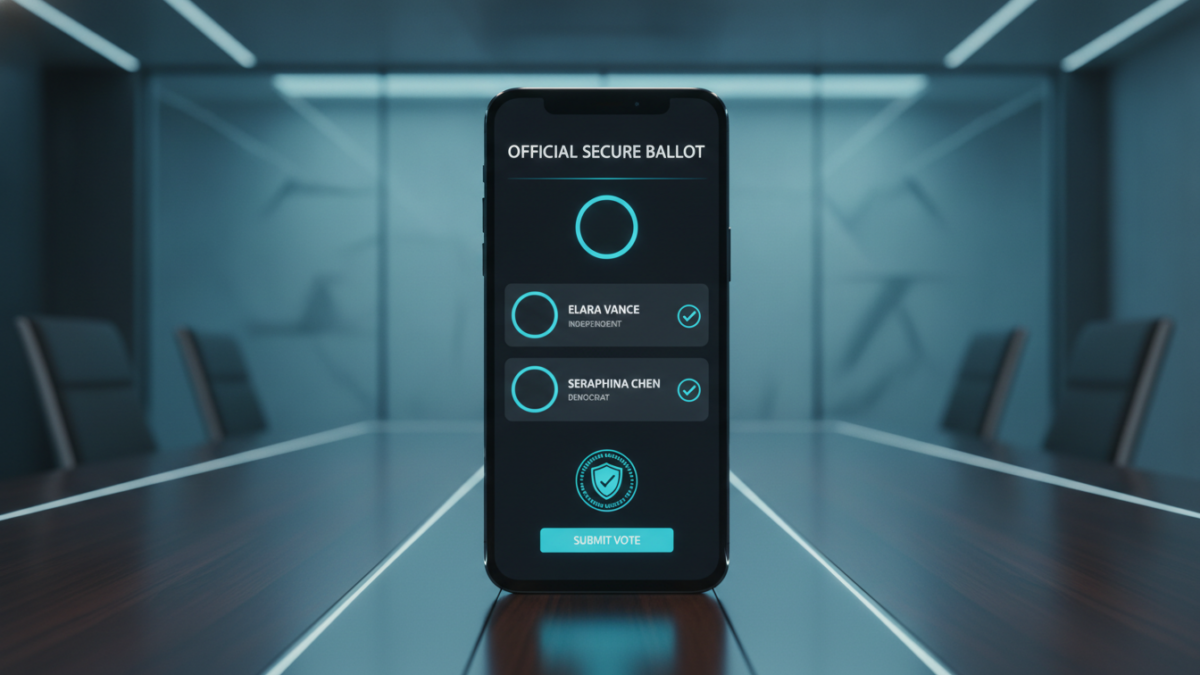
Moving the SRC election online removes the queues, the ballot boxes and the overnight counts, and it is how a growing number of South African universities now vote. But an online SRC election is not a software purchase. It is an operation, and it succeeds or fails in the weeks before voting opens. This guide walks through it step by step, the way we run them.
1. Start With the Rules, Not the Software
Every SRC election is governed by the SRC constitution and the electoral regulations made under it. Before anyone configures a system, the electoral commission or independent electoral officer should agree, in writing:
- The timetable: notice of election, nominations, verification, the candidate list, objections, campaigning, voting, provisional results, the objections window and the final declaration. Eight to ten weeks from notice to declaration is typical.
- The portfolios and constituencies: central SRC, campus SRCs, faculty or residence seats, and which students vote for which.
- Candidate eligibility: academic standing, registration status, the number of seconders each portfolio needs.
- Who decides what: the commission decides on eligibility and objections; the election manager runs the process and supplies the evidence.
Get this agreed first and every later dispute has a document to settle it.
2. Build a Voters’ Roll You Can Defend
The roll comes from the registry: every registered student, with their student number, contact details and the fields that decide which ballots they see — campus, faculty, residence. Most voting-day complaints are really roll problems: a student missing from the roll, a wrong campus, an old cellphone number.
Fix them before polling, not during it. Publish the roll period clearly, let students check for themselves that they are on the roll, and resolve queries before voting opens. A roll query on voting day becomes an objection after it.
3. Run Nominations Online
Paper nomination forms get lost, seconders are hard to verify, and the commission ends up checking signatures by hand. Online, candidates nominate themselves for a portfolio, gather their seconders — each one a verified registered student — and upload their supporting documents. The commission receives a complete eligibility pack for every candidate and decides on it, rather than reconstructing it.
4. Publish the Candidate List and Handle Objections
Once the commission has decided, publish the provisional candidate list and open the objections window set in your regulations. Every objection and every ruling should be recorded. A clean, documented candidate list is the single best protection against a disputed result.
5. Campaign on a Level Field
Give every candidate the same space to make their case: a profile and manifesto inside the voting system, so every student sees the same information in the same format. Manifesto launches and debates still matter on campus, but the system should not favour the formation with the biggest printing budget.
6. Voter Education and Voting Credentials
Students need to know three things: when voting opens, how to log in, and where to get help. Typically a student logs in with their student number and a single-use voting code sent to their cellphone or email. Test the delivery of those messages well before voting day — a code that never arrives is a student who does not vote.
Crucially, instant WhatsApp delivery should be treated as a core operational pillar rather than an afterthought. During peak surge hours, SMS gateways often suffer cellular network congestion and campus email systems can delay or filter automated credentials. Allowing students who miss an SMS or email to retrieve their secure, personalised voting link instantly via an automated WhatsApp channel eliminates login friction and radically reduces help-desk drop-offs when traffic spikes.
7. The Polling Window: Prepare for the Rush
Online voting does not spread demand evenly. Thousands of students arrive in the first hour, after a reminder message, and in the last hour. A system that has not been load-tested at that scale will show errors exactly when the most students are trying to vote — and every error becomes a complaint.
- Use a voting system that has been load-tested at the size of your roll, and that queues voters during a surge instead of failing.
- Run a live voter help desk for the whole polling window.
- Place voting-booth tablets on campus for students without a device or data.
- Send registered candidate agents and observers automated live results on WhatsApp, so nobody has to wonder what is happening.
8. Results and Declaration
With online voting, provisional results are available the moment polls close: no ballot boxes to transport, no overnight count. The commission then runs the objections period and makes the final declaration. Hand the results to the commission, not to a candidate or a formation, and let the commission declare.
9. Audit and Data Destruction
An independent audit protects the result and everyone who ran it. The audit firm needs an audit trail recorded while the election was happening, not a report written afterwards. And once the result is final, the election data should be destroyed, with a certificate to prove it.
Where Online SRC Elections Go Wrong
- The roll arrives late, and roll queries spill into voting day.
- Voting codes are sent by SMS that never arrives, and nobody has a fallback.
- The system was never tested at the size of the roll, and fails in the first hour.
- Students and candidates are not convinced the ballot is secret.
- Nobody is answering the phone while polls are open.
Every one of these is preventable, and none of them is a software feature on its own. They are the reason we run SRC elections as a complete operation rather than selling a login.
Frequently Asked Questions
How long does it take to organise an online SRC election?
Eight to ten weeks from the notice of election to the final declaration is typical, covering nominations, verification, objections, campaigning, voting and the objections period after results.
How do students log in to vote online?
Usually with their student number and a single-use voting code sent to their cellphone or email. Students on the roll can also be sent their voting link on WhatsApp.
Can students without a smartphone vote?
Yes. Online voting works on any phone, tablet or laptop with a browser, and voting-booth tablets can be placed on campus for students without a device or data.
How quickly are SRC election results available?
Provisional results are available as soon as polls close. The final result is declared by the electoral commission after the objections period set in the electoral regulations.
Wolfatek Elections runs SRC, house committee, faculty and convocation elections end to end for South African universities, on WEVS, the online voting system we built and run ourselves. See University & SRC Elections, or request an elections proposal.